The Great Barrier Reef without a package rush
A reef day from Cairns can be a cattle-boat or a careful look at one reef. The difference is departure time, passenger count, and whether you are allowed to be quiet in the water.
Published · Updated
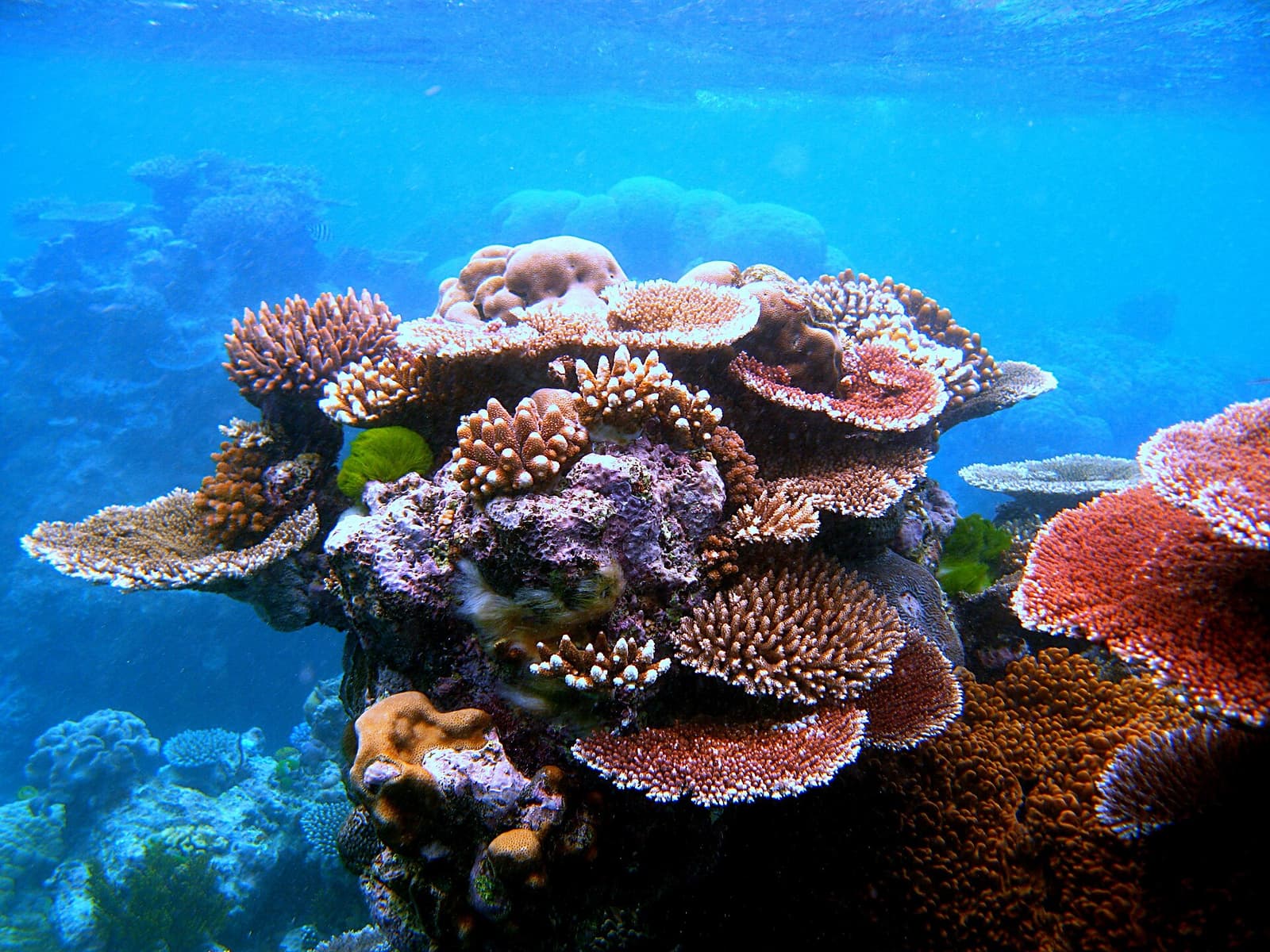

The first thing the old Dreamtime tour desk asked was not “do you want the reef?” It was “do you want to see coral, or do you want to say you went?” Both are legitimate. They require different boats.
From Cairns you can stand on a floating pontoon with a cafeteria and a glass-bottom boat, or you can take a smaller vessel to an outer reef and spend the day looking at one slope of coral. Flynn Reef, off this coast, is the sort of place that made the photographs: mixed hard corals, a bit of surge, fish that have learned the lunch timetable. A rushed package will still get you wet. It will not give you time to notice that the light changes after 11am.
Choosing the day, not the brochure
Look at passenger numbers, not the adjective “exclusive”. A boat that leaves later often has a kinder briefing and a less panicked snorkel. If you are a weak swimmer, a pontoon with a rest station is safer than pride. If you have dived before, ask whether the site is chosen that morning for weather or locked in for marketing.
Seasickness is not a personality flaw. Sit midship, eat something dull, and do not stare at the horizon while the boat is still in the channel. The Cairns base guide is worth reading the night before so you are not also checking out of a hostel at dawn.
Stinger season is the other practical split. In the wet months, many operators issue full-length suits. Wear them. The sun on a boat is worse than most people pack for, and jellyfish advice from park services is more useful than a Facebook group.
What to bring that is not branded merch
A rashie, reef-safe sunscreen if you can find it, a hat that stays on, and a dry bag for the phone you will still drop. Prescription masks exist; ask the boat, do not assume. If you want photographs, take them on the last snorkel when you have stopped flapping.
Do not stand on coral. Do not chase turtles for a portrait. The wildlife ethics guide applies underwater as much as it does to a kangaroo on a golf course.
Pairing the reef with the forest
A reef day and a Cape Tribulation day in a row will flatten you. Split them with a lagoon swim or a Tablelands morning. The rainforest is not a consolation prize. It is the other half of the reason this coast is listed, and the Cape Tribulation road deserves a slower vehicle than a 5am coach.
If you are continuing south after Cairns, do not buy a hop-on pass the same afternoon you get off a boat. Sleep, then read the east-coast itinerary. The reef will still be there. Your judgement might not be.
Questions from the desk
- Pontoon or smaller boat?
- Pontoons suit nervous swimmers and families. Smaller boats suit people who want one reef and fewer elbows.
- When do stingers matter?
- Box jellyfish risk is highest in the summer wet. Full-body suits are normal then and still useful against sun.
Keep travelling this theme
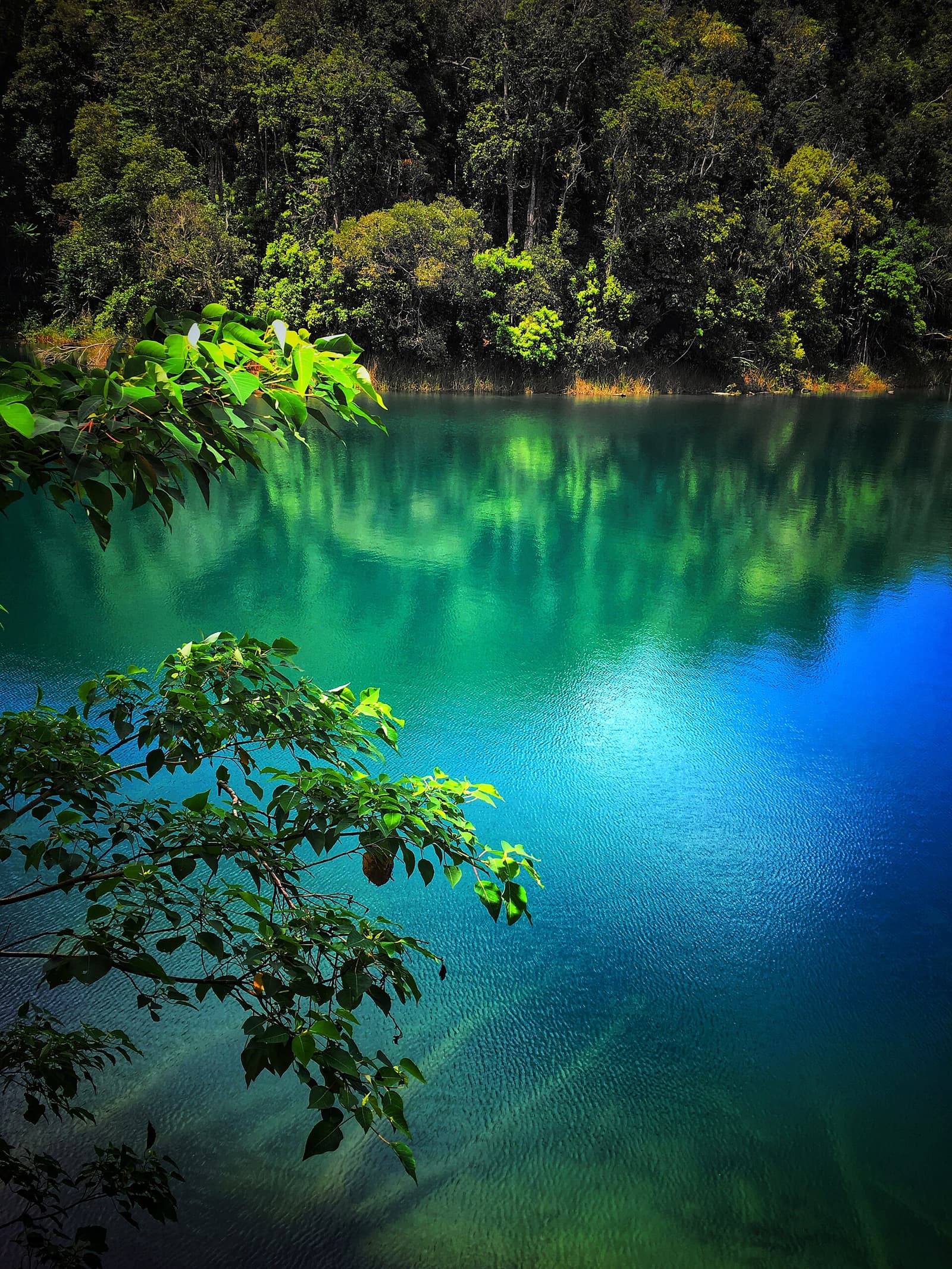
Atherton Tablelands crater lakes and waterfall circuit
West of Cairns the temperature drops, the lakes are old volcanoes, and a waterfall circuit only works if you pick three falls instead of twelve.
Read the atherton tablelands crater lakes and waterfall circuit guide
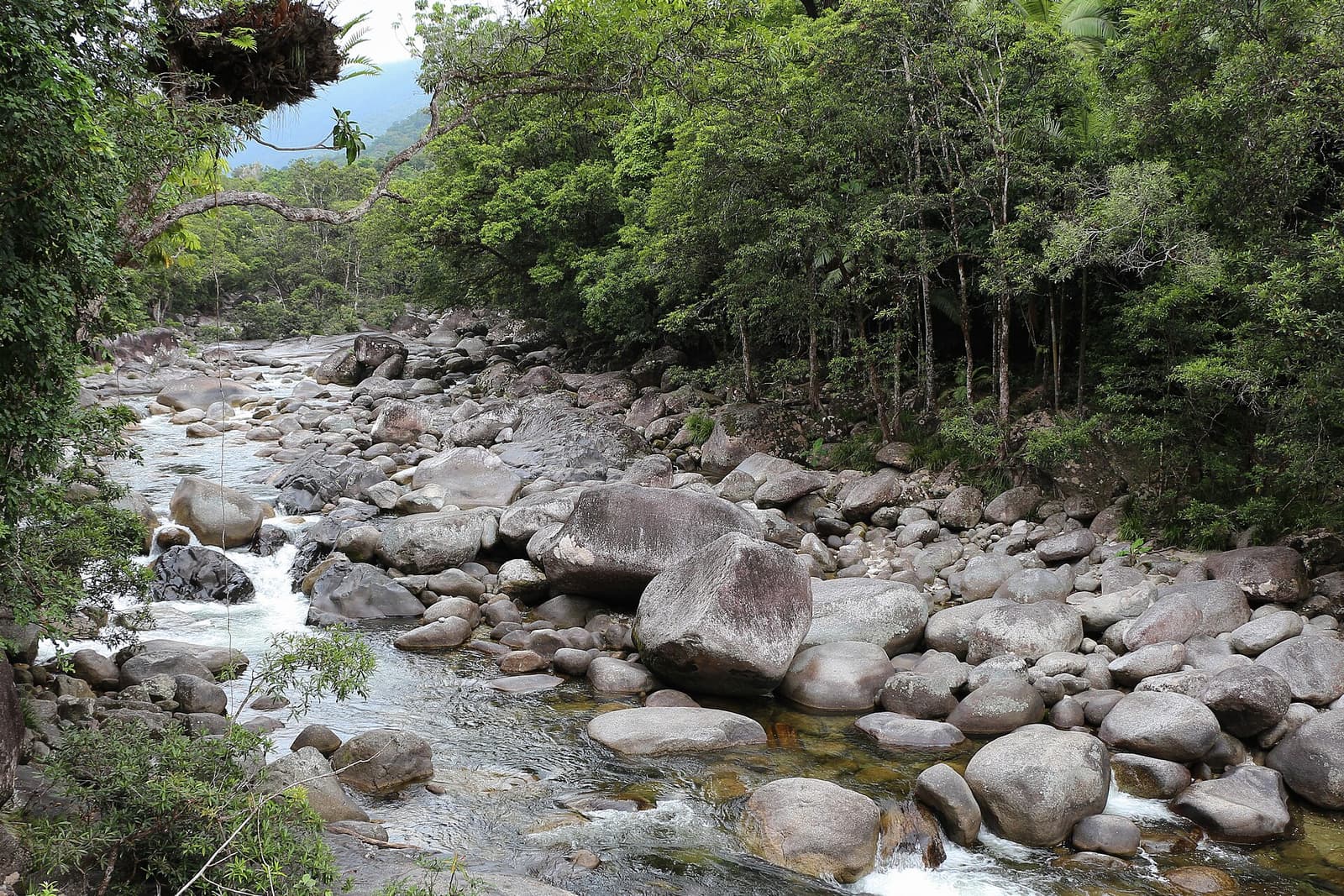
Mossman Gorge on Kuku Yalanji Country
Mossman Gorge is not a swimming hole you found on a map. It is a managed visit on Kuku Yalanji Country, and it is better when you treat the welcome as the point of the day.
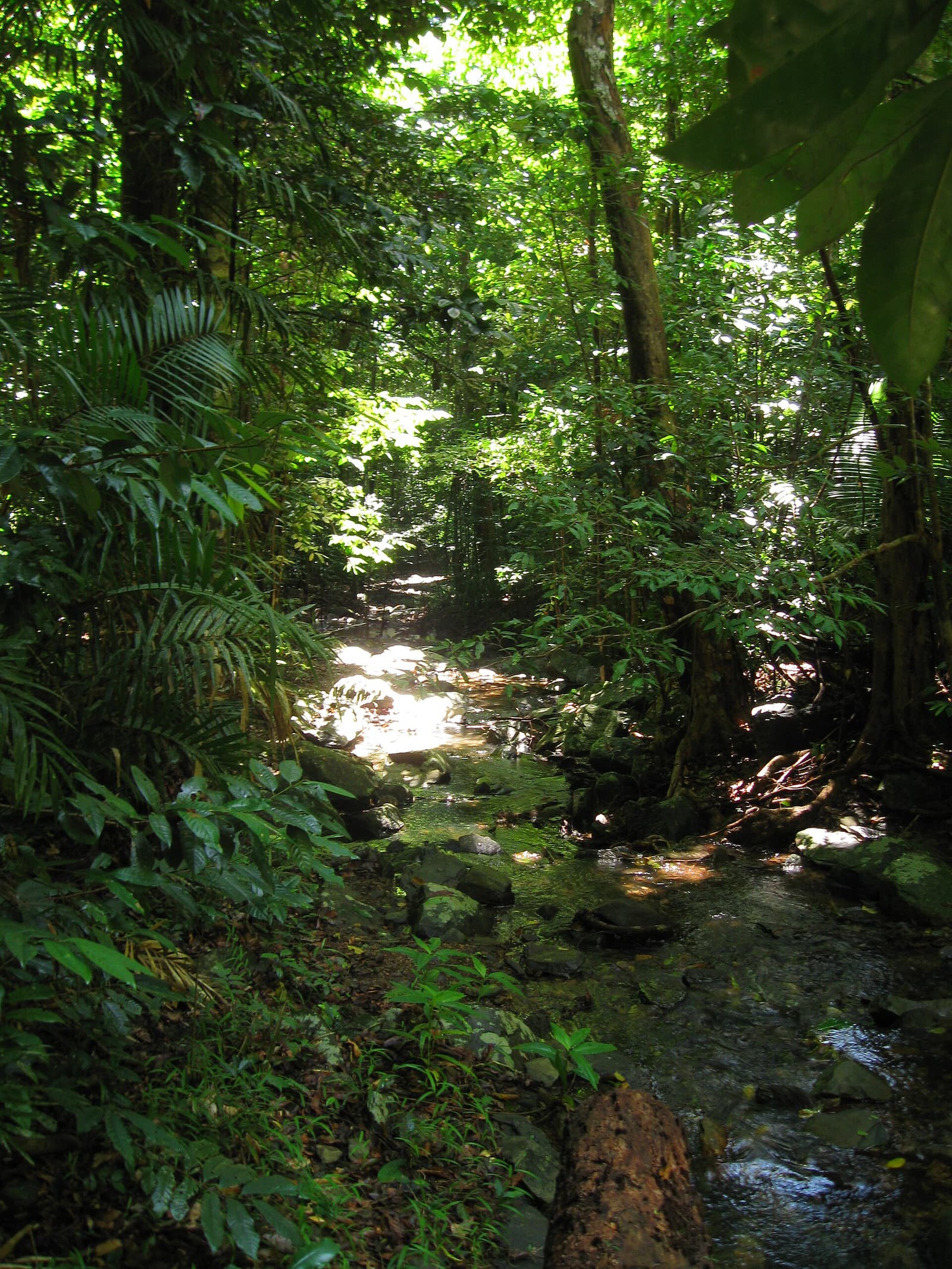
The Daintree and Cape Tribulation at nature's pace
Cape Tribulation is where rainforest meets reef, and it is a poor place to keep a timetable. Cross the river, walk a boardwalk, and stay the night if you can.
Read the the daintree and cape tribulation at nature's pace guide