A beginner's guide to Australian outback travel
The outback is not a weekend personality change. It is water, distance, heat and the decision to tell someone where you are going.
Published · Updated
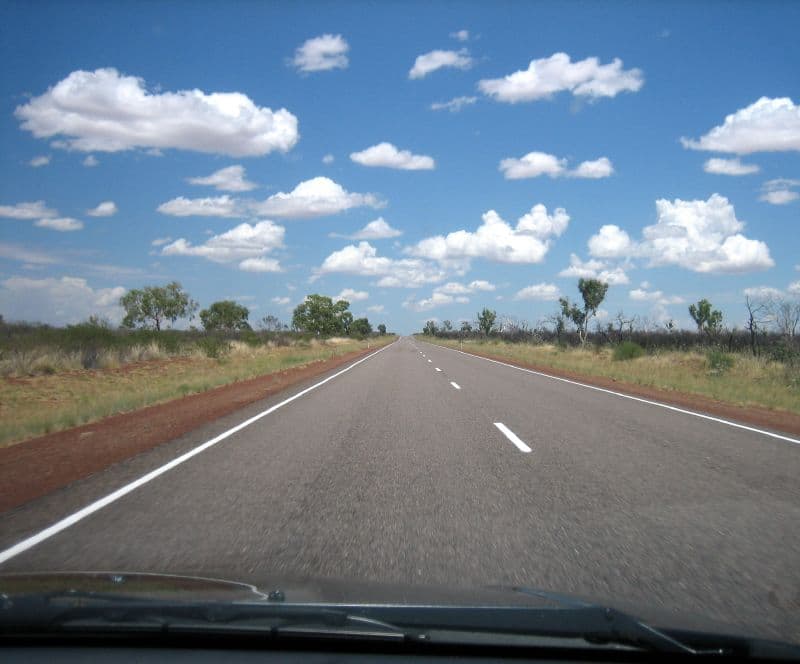

A first outback trip should be slightly boring on paper. Sealed roads. Conservative distances. A bed you have booked. People get into trouble when they add a “shortcut” they saw in a film and a single 1.25-litre bottle of water.
The Centre in summer is a specialist environment. The Centre in winter is still dry, bright, and farther than the map suggests. Alice to Uluru is not a cute hop after lunch. Read the Alice Springs base guide and the Uluru etiquette piece before you collect a sunset.
Preparation that is not gear theatre
Water for the car and for the people. Food that does not need a clever fridge. Fuel stops written down. A spare that is a tyre. Offline maps. Someone at home who knows the day you should appear. If you are leaving sealed roads, you need recovery knowledge, not just a snatch strap in a colour.
Clothing is sun more than style. Nights can be close to freezing in July. The packing and driving notes apply twice.
Respect is part of safety
A lot of the country you will photograph is someone's home, station, or sacred place. Do not fly a drone at a ceremony or a waterhole because a blog said the light was good. Travelling on First Nations Country is not an appendix.
The Top End is a different outback: humidity, crocodiles, and a dry-season window that makes Kakadu possible. Do not mix the two calendars in one head.
Start smaller than your ambition. Finish with the same number of people you started with. That is a successful first trip.
Questions from the desk
- Can I do Uluru in a two-day fly-in?
- You can see the rock. You will not have travelled the outback.
- Is winter the only time?
- It is the kindest time for the Centre. The Top End has its own dry-season logic.
Keep travelling this theme
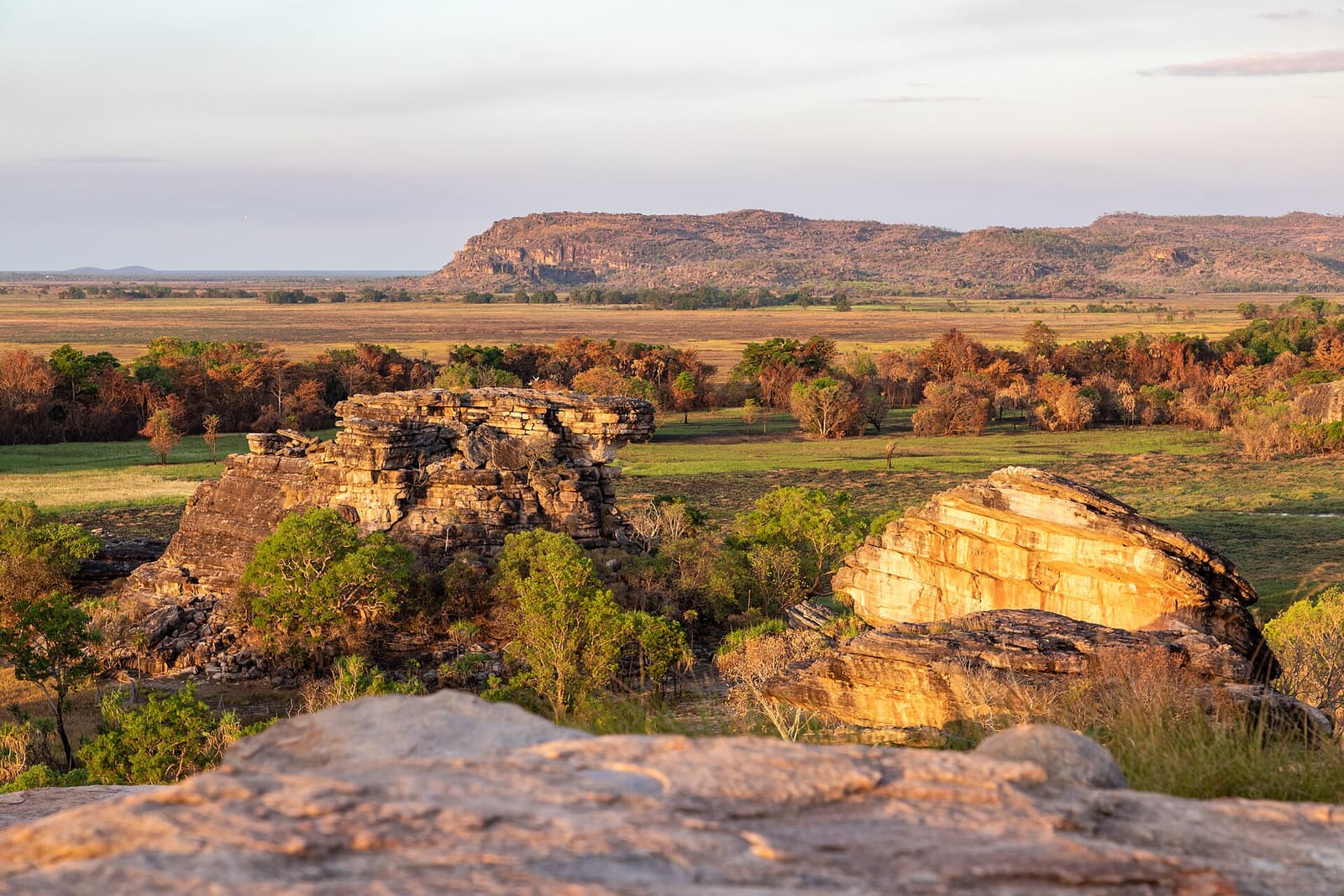
Travelling respectfully on First Nations Country
Every Australian trip happens on someone's Country. The work is to find out whose, follow the local rules, and leave the ceremony off your story unless you were invited.
Read the travelling respectfully on first nations country guide
Kakadu and the Top End in the dry season
Kakadu in the dry is open roads, waterfalls you can reach, and heat that still requires a siesta. In the wet it is a different park. Believe the difference.
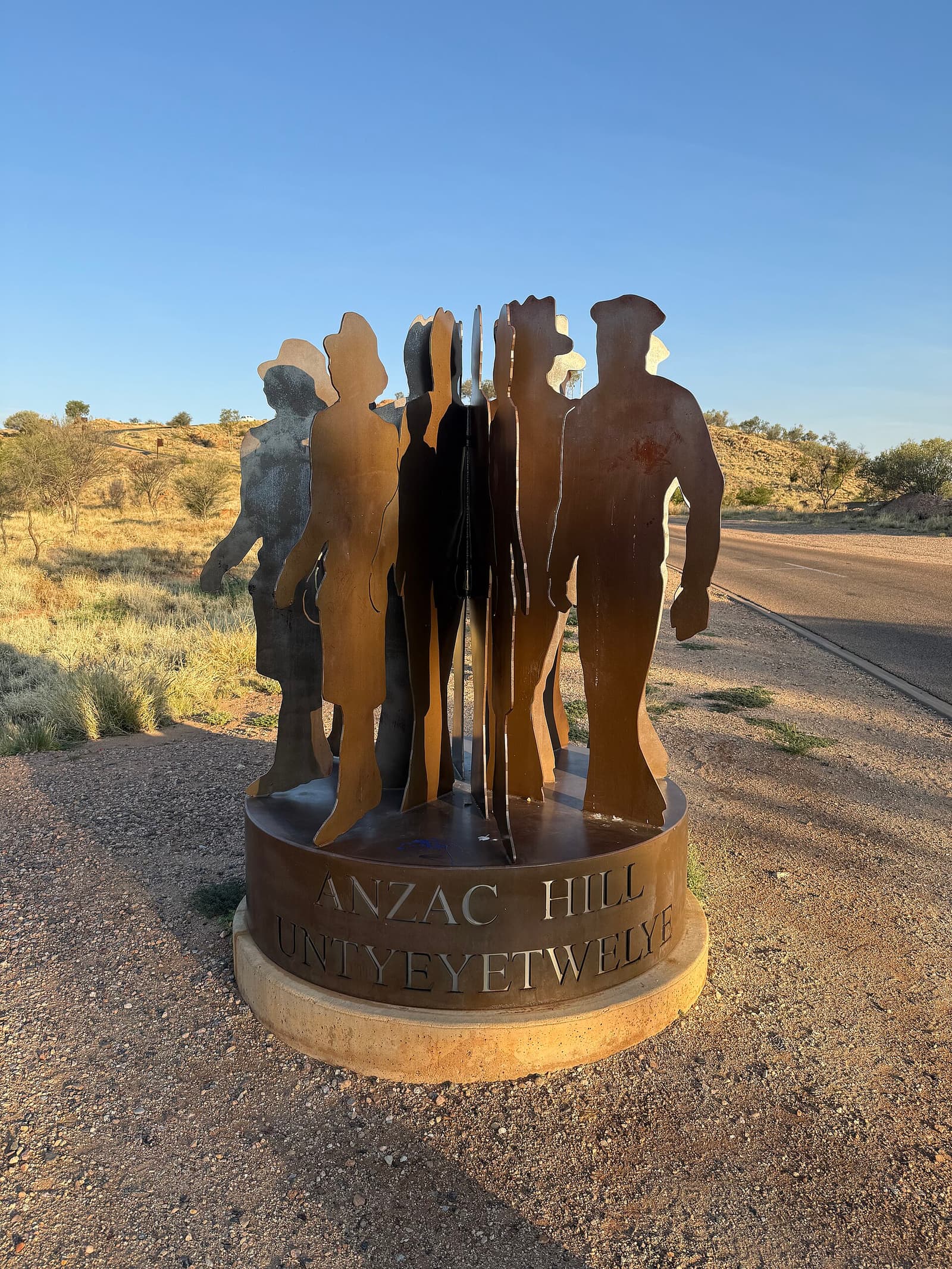
Alice Springs as a Red Centre base
Alice is not a theme park gateway. It is a working town with a hill, a river that is usually sand, and the distances to everywhere else written on the road signs.